Every home depends on appliances to keep daily routines running smoothly. From cooking meals to washing clothes and preserving food, these machines support comfort, safety, and convenience.
Common appliance problems may seem minor at first, but small warning signs can turn into costly repairs when homeowners delay service. Knowing what to watch for helps you act before the damage gets worse.
Why Appliance Issues Need Early Attention?
Many appliance problems start with small changes in performance. A machine may take longer to finish a cycle, make an unusual sound, leak water, or stop working without warning.
Several common appliance issues can also affect energy use, food safety, water damage, and household safety. Early inspection gives you a better chance to fix the issue before it becomes a bigger failure.
When an Appliance Stops Working?
Sometimes an appliance not working problem happens suddenly. A refrigerator may stop cooling, a washer may fail mid-cycle, or an oven may refuse to turn on.
Quick appliance troubleshooting can help you rule out simple causes. Check the power supply, circuit breaker, settings, filters, water valves, and user manual before assuming the unit needs major service.
Strange Noises Should Not Be Ignored
Unusual sounds often mean an appliance making noise has a loose, worn, or failing part. Grinding, buzzing, banging, squealing, or rattling sounds can point to motor issues, fan trouble, belt wear, or internal damage.
Different appliances make different warning sounds, so homeowners should pay attention when the noise changes from normal operation. A technician can inspect the unit before a small part causes wider damage.
| Category | Typical Issues | What to Check / Potential Cause |
|---|---|---|
| Sudden Failure | The unit stops completely, won't start, or fails mid-cycle. | Power supply (outlet), circuit breaker/fuses, user settings, water valves, or clogged filters. |
| Strange Noises | Grinding, buzzing, banging, squealing, or rattling. | Loose, worn, or failing parts (e.g., motor, fan, or belt damage). |
| Operational Inefficiency | Fridge not cooling, dryer needs multiple cycles, oven not heating. | Internal wear and tear, faulty thermostats, or obstructed airflow. |
| Recurring Problems | Issues persist after a manual reset. | Indicates a deeper mechanical or electrical failure needing professional repair. |
Water Leaks Can Create Bigger Damage
An appliance leaking water should be checked quickly because moisture can damage floors, cabinets, drywall, and nearby electrical areas. Washers, dishwashers, refrigerators, and water dispensers often leak because of bad hoses, clogged drains, worn seals, or loose connections.
Small leaks may appear harmless, but they can lead to mold growth and structural damage over time. Turning off the water supply and scheduling service can help reduce the risk.
Heating Problems Can Affect Daily Use
An appliance not heating problem can affect ovens, stoves, dryers, dishwashers, and some small appliances. These failures may come from a faulty heating element, damaged igniter, bad thermostat, clogged vent, or control board issue.
Heating problems can also create safety concerns when gas, wiring, or overheating is involved. Homeowners should avoid taking apart heating components unless they have proper training.
Cooling Problems Can Lead to Food Loss
An appliance not cooling issue often affects refrigerators, freezers, wine coolers, and mini fridges. Poor cooling may come from dirty coils, blocked airflow, a failed fan, bad thermostat, compressor trouble, or door seal damage.
Cooling failure needs fast attention because food can spoil quickly. If the unit feels warm inside or runs constantly, professional service may be needed.
Refrigerator Problems That Need Service
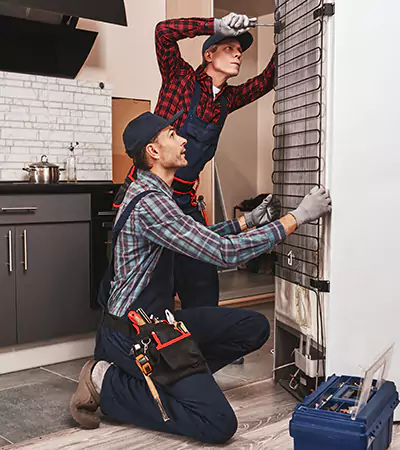
Many refrigerator problems begin with temperature changes, water pooling, frost buildup, clicking sounds, or weak airflow. These signs may point to a failing fan, blocked drain, damaged gasket, thermostat issue, or compressor problem.
A refrigerator works all day, so even a small issue can raise energy use and affect food safety. Regular cleaning and timely repairs can help extend the life of the unit.
Washer Problems Homeowners Should Watch
Common washer problems include leaking, shaking, slow draining, failure to spin, bad odors, and cycles that stop early. These issues may involve the drain pump, belt, lid switch, water inlet valve, bearings, or control system.
A washer that shakes heavily may also damage flooring or nearby walls. Service should not be delayed when the machine moves, bangs, or leaves clothes soaked.
Dryer Problems That Can Become Unsafe
Frequent dryer problems include long drying times, overheating, burning smells, loud noises, and failure to start. These symptoms may come from clogged vents, worn drum rollers, faulty heating parts, or blocked airflow.
A dryer with lint buildup can become a fire risk. Cleaning the lint trap and vent system regularly supports safer performance.
Dishwasher Problems That Affect Cleaning
Common dishwasher problems include poor cleaning, cloudy dishes, standing water, leaks, bad smells, and failure to dry. These issues may be caused by clogged filters, blocked spray arms, drain problems, worn seals, or pump failure.
A dishwasher that leaks near cabinets can cause hidden water damage. Fast attention helps protect flooring and kitchen surfaces.
Oven Problems That Affect Cooking
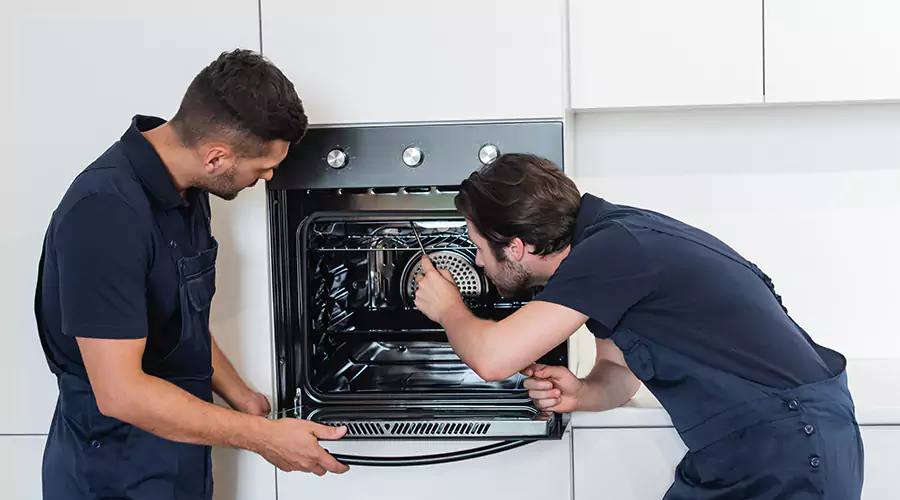
Many oven problems involve uneven heating, inaccurate temperatures, slow preheating, broken lights, or failure to turn on. These signs may point to a bad sensor, weak heating element, faulty igniter, or control board issue.
An oven that does not hold the right temperature can ruin meals and waste energy. A technician can test the components and confirm whether repair is the right option.
Stove Problems That May Need Fast Attention
Common stove problems include weak burners, clicking sounds, uneven flames, dead heating elements, and knobs that do not respond. Gas stoves may also show yellow flames, delayed ignition, or unusual smells.
Safety matters most when gas or electrical parts are involved. Stop using the stove if you suspect a gas leak, sparking, or overheating.
Signs of Appliance Failure
Early signs of appliance failure often include strange sounds, leaks, error codes, poor performance, burning smells, and repeated shutdowns. A unit that keeps needing resets may have a deeper electrical or mechanical issue.
Homeowners should track when the problem started and how often it happens. Clear details help the technician diagnose the issue faster.
When Repair Makes Sense?
Knowing when to repair appliances can help homeowners avoid unnecessary replacement costs. Repair often makes sense when the appliance is newer, the problem is limited, and the repair cost is reasonable compared to replacement.
Age, brand, condition, part availability, and energy use should guide the decision. A professional diagnosis can help you compare repair value against replacement.
Understanding Repair Costs
The appliance repair cost depends on the appliance type, problem severity, part price, labor time, and service complexity. A simple hose or switch repair usually costs less than a motor, compressor, control board, or sealed system issue.
Clear pricing helps homeowners make informed decisions. A reliable service provider should explain the issue, repair option, and expected outcome before starting work.
Why Professional Repair Matters?
Timely appliance repair can restore performance and prevent avoidable damage. Proper service also helps reduce safety risks linked to electrical faults, gas components, overheating, and water leaks.
Reliable home appliance repair gives homeowners a safe way to fix major household machines without guessing. Trained support is especially important when the issue involves wiring, sealed systems, fuel lines, or heavy internal parts.
Choosing the Right Service Provider
Professional appliance repair services should include careful inspection, clear communication, practical recommendations, and respectful in-home service. A good provider should explain what failed and why the repair is needed.
An experienced appliance repair technician can test parts, identify hidden issues, and complete repairs using the right tools. This reduces the chance of repeat breakdowns and unnecessary part replacement.
Residential Repairs and Broken Units
Quality residential appliance repair helps homeowners fix everyday units like refrigerators, washers, dryers, dishwashers, ovens, and stoves. Service at home also allows the technician to check connections, installation, airflow, and water supply.
Professional broken appliance repair is often better than repeated temporary fixes. If the same issue keeps coming back, the appliance needs a proper diagnosis.
Maintenance Helps Prevent Problems
Consistent appliance maintenance can reduce repair needs and extend appliance life. Cleaning refrigerator coils, clearing dryer vents, checking washer hoses, wiping door seals, and cleaning dishwasher filters can improve performance.
Simple care also helps homeowners notice early warning signs. A clean, well-maintained appliance is easier to inspect and often runs more efficiently.
Final Thoughts
Appliances usually show warning signs before they fail completely. Noise, leaks, weak heating, poor cooling, long cycles, and repeated shutdowns should not be ignored.
Professional service can protect your home, reduce safety risks, and help you avoid larger repair bills. If basic checks do not solve the problem, schedule a qualified technician before the issue gets worse.